Family heritage profoundly influences artwork by shaping an artist’s identity, themes, and techniques. Artists often draw inspiration from their cultural backgrounds, incorporating traditional motifs, stories, and practices into their work. This connection to heritage can manifest in the choice of materials, styles, and subject matter, allowing artists to explore their roots and convey personal narratives.
Family Stories
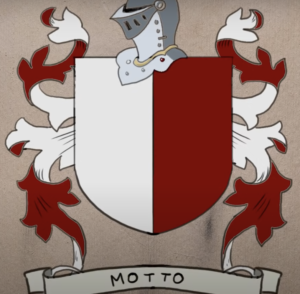 For many, family stories and traditions provide a rich source of inspiration, fostering a sense of belonging and continuity. Artists may feel compelled to honor their ancestors by reflecting cultural values, historical events, or community practices in their art. This can lead to a fusion of old and new techniques, blending traditional craftsmanship with contemporary approaches. A modern twice on honoring family heritage is with a family last name signs, which are typically displayed in the homes, entryways, or dining areas.
Additionally, the experiences and perspectives passed down through generations can shape an artist’s worldview, influencing how they perceive and interpret the world around them. In this way, family heritage becomes not just a backdrop but an integral part of the creative process, enriching the artwork with depth and meaning that resonates with both the artist and the audience.
Modern Day Coat Of Arms
Creating a modern-day coat of arms for a family can be a meaningful way to represent heritage and values. Here are some key elements to consider when designing one:
1. Symbols and Imagery
- Animals: Choose animals that represent qualities or traits important to your family. For example, lions symbolize courage, while owls can represent wisdom.
- Plants: Incorporate flora that may hold significance, like a family tree or flowers that represent your ancestry.
- Objects: Include items that reflect hobbies, professions, or passions, such as tools, books, or musical instruments.
2. Colors
- Colors have specific meanings in heraldry. For instance, blue often symbolizes loyalty, red stands for bravery, and green represents hope and joy. Select a palette that resonates with your family’s values.
3. Motto
- Create a family motto that encapsulates your beliefs or aspirations. This can be in English or another language, reflecting your heritage.
4. Shield Shape
- The shield is the central element of a coat of arms. You can choose a traditional shape or opt for a more modern interpretation that suits your style.
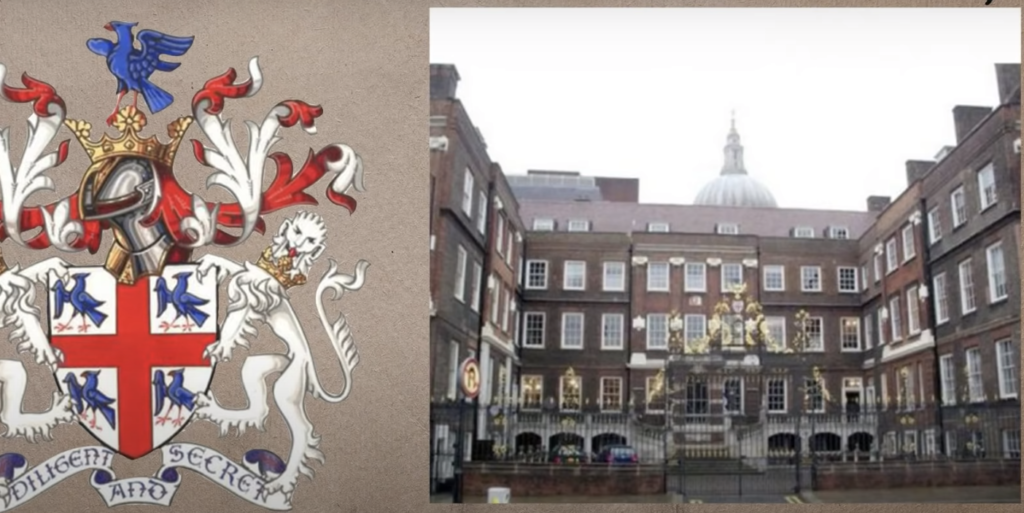
5. Design Style
- Decide whether you want a traditional look with intricate detailing or a more minimalistic and contemporary design. This choice can reflect your family’s personality.
6. Personal Touches
- Consider incorporating elements unique to your family, such as initials, important dates, or symbols of significant life events.
7. Layout
- Think about the arrangement of the elements. You can place symbols in quarters or create a central focus, ensuring balance and harmony in the design.
Once you have these components, you can sketch out ideas or work with a graphic designer to create a polished version. A modern coat of arms can serve as a beautiful representation of your family’s identity, values, and heritage for generations to come.
 In our world, there are many different cultures. Each one is significant and shows a diversity that most of us can enjoy for one reason or another. Even if you simply look at one area, say in the United States, there are vast differences. Often, it is impressive to see how it comes together when blending art with culture because the differences are often surprising.
 Have you ever traveled from one coast to another in the US? What about from sunny Florida to one of the northern states or Canada? There are differences in every area. You may notice a different way of talking (southern drawl) or changes in how we dress. California and New York may be trendier in how they dress than someone in Nebraska.
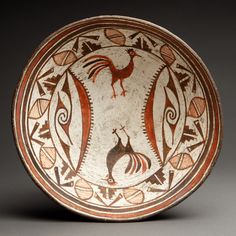 Today, the techniques used, even some of the Native Americans, to create art are impressive, but easier. We can use hand tools in our crafting. Indians throughout history have spent time adding tribal images to their everyday items. 300 years ago, those images could fade away.
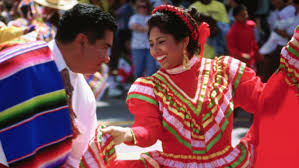 Too often, we fail to think about our culture, yet we do things every day that are a direct reflection of who we are, where we live, and where we are from. People with a Mexican history will celebrate holidays that began hundreds of years ago in Mexico. The same is true for Native Americans, African Americans, Asians, and every other nationality. It is these cultural differences that set us apart, but it can also bring us together.
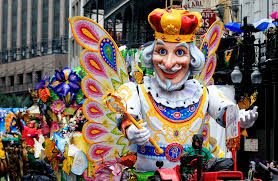 One of the most significant ways that culture can bring us together is through artwork. Artisans from all over the world create masterpieces and we have access to them by visiting that area of the world or through online shopping in some cases. Artwork doesn’t have to be a painting on the wall, it can be a style of clothing, household furnishings, statues, theatrical performances, and more.
 Culture is by definition, “of or related to artistic or social pursuits or events that are considered to be valuable or enlightened”. Alliance is basically a union. It can be anything similar to a marriage between two people or a group of people who stand together for a specific cause.